In Sonoma County, drip irrigation isn’t a luxury upgrade — it’s the practical answer to a dry summer climate, increasingly strict water use restrictions, and the reality that overhead spray simply loses too much water to evaporation on a hot July afternoon in Healdsburg. For established gardens and new plantings alike, drip systems deliver water precisely where roots are, when they need it, at a rate that prevents runoff.
This guide explains drip components, planting-zone design, controllers and seasonal maintenance, with links to current water-provider rebate information.
What’s in This Guide
Why Drip Irrigation Makes Sense in Sonoma County
Sonoma County averages roughly 30 inches of rainfall per year — nearly all of it between November and April. From May through October, most gardens receive essentially zero rain. That six-month dry season means any landscape that isn’t composed entirely of established drought-tolerant natives needs supplemental water, and how you deliver that water matters significantly.
Irrigation performance depends on layout, pressure, maintenance, scheduling, and weather. Address leaks and poor coverage before expecting an equipment change to reduce use. Drip can deliver water to planted areas without wetting surrounding paving, but no fixed efficiency or savings percentage applies to every garden.
Drip systems are also better suited to Sonoma County’s terrain. On sloped properties common throughout the county, overhead spray can cause runoff before water absorbs into clay-heavy soils. Drip emitters, applied at low pressure, give water time to infiltrate gradually — which is exactly what you want on a slope.
How a Drip System Works
A residential drip irrigation system has several key components:
- Backflow preventer: Required by most water districts to prevent contamination of the potable supply. This is the first component after the water connection.
- Filter: Drip emitters clog easily. A 150-mesh filter upstream of the drip lines is essential, particularly if you’re on well water or have any sediment in your supply.
- Pressure regulator: Drip systems operate at 20–30 PSI, well below typical household pressure of 60–80 PSI. A regulator prevents blowouts and uneven flow. This is the single most commonly skipped component in DIY drip installations.
- Main supply line: Half-inch polyethylene tubing carries water from the control valve to the planting areas.
- Emitters: Installed directly into the supply line or at the end of short distribution tubing, emitters deliver water at a fixed rate — typically 0.5, 1, or 2 gallons per hour. Matching emitter flow rate to plant water needs is the core design task in any drip system.
- Controller: Automates run times by zone, day of week, and season. Smart controllers add weather data and soil moisture sensing for fully automated adjustment.
Drip vs. Spray: Which to Use Where
Drip and spray each have appropriate applications. A well-designed irrigation system often uses both.
Use drip where it suits the planting, soil, slope, and layout. Trees, shrubs, perennials, and productive beds may benefit from appropriately designed delivery. Check emitter placement as plants grow and keep zones aligned with compatible water needs.
Use spray for: Lawns and dense groundcover plantings where area coverage is more efficient than individual emitters. Spray is appropriate where plant spacing is too tight for individual emitters and root zones overlap significantly.
Drip can reduce overspray by delivering water near plant roots. The result depends on emitter placement, pressure, soil, scheduling and maintenance; conversion alone does not establish a percentage saving. See UC Master Gardeners’ irrigation guidance for irrigation planning and upkeep.
Designing a Drip System by Plant Type
The most important rule in drip design: group plants with similar water needs on the same zone. This is called hydrozoning, and it’s the foundation of efficient irrigation.
Trees (established): One or two 2 GPH emitters per tree, placed 18–24 inches from the trunk at the drip line. Run times of 1–2 hours, 1–2 times per week in summer. Young trees need more frequent, shorter runs while establishing.
Shrubs: One 1 GPH emitter per small shrub, two per large shrub. Run 45–90 minutes, 2 times per week in peak summer. Drought-tolerant species like ceanothus and manzanita need significantly less once established.
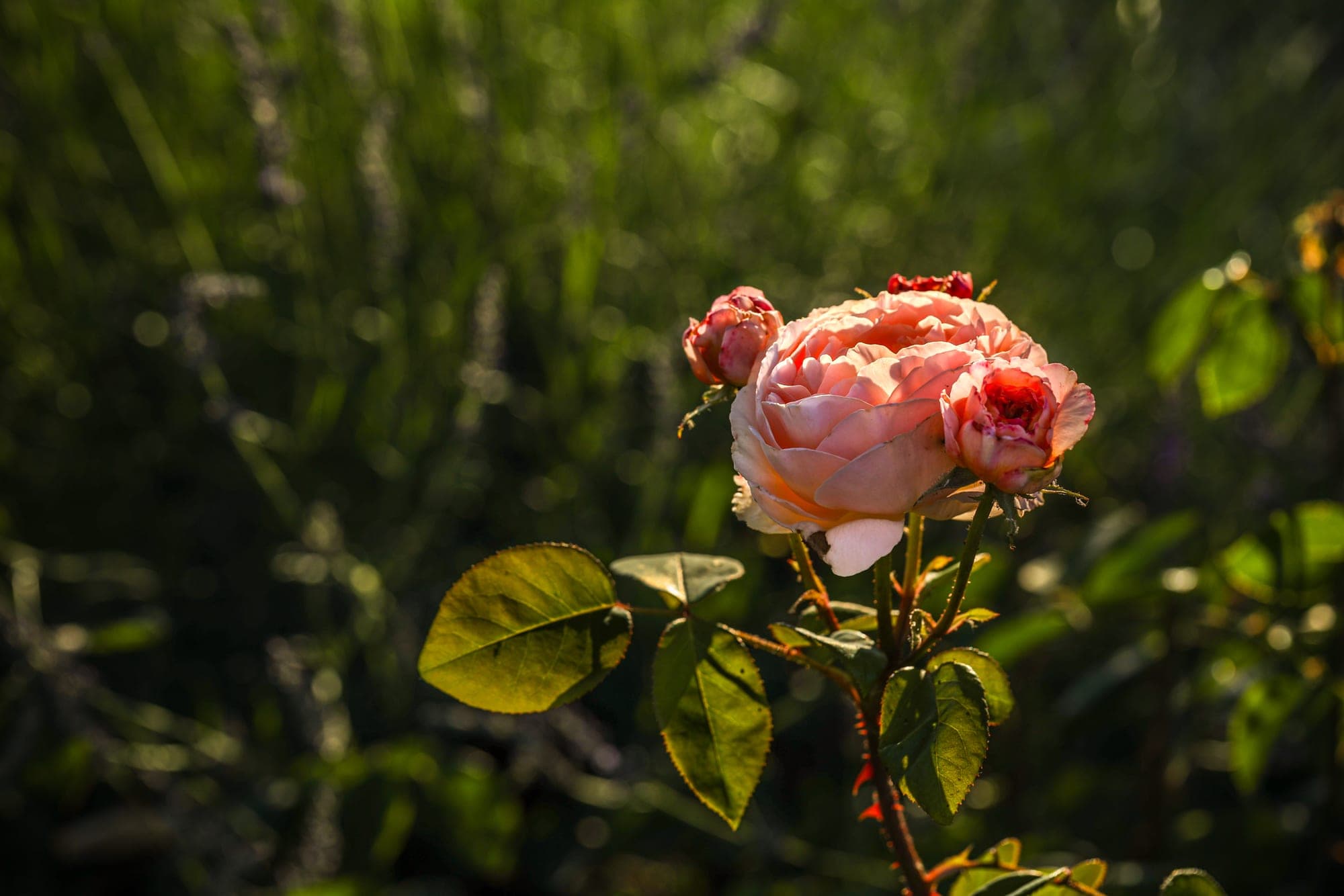
Perennials and roses: One 0.5–1 GPH emitter per plant. Roses in Sonoma County’s dry summer need consistent moisture — 2–3 times per week in July and August, tapering off in fall.
Vegetables: Drip tape or inline emitter tubing spaced every 6–12 inches works well for row crops and raised beds. Vegetables need consistent moisture — daily or every-other-day short runs in summer. Inline tubing allows even distribution across a bed without individual emitter placement.
Native groundcovers: Once established, California natives like ceanothus, creeping sage, and yarrow need minimal summer water — often just 2–3 deep soaks from June through September rather than regular irrigation. Design a dedicated low-water zone with long run times, infrequent schedule.
Controllers and Water-Provider Rebates
A basic timer controller automates your irrigation schedule but doesn’t respond to changing conditions. If it rained last night, a basic timer still runs your morning cycle. Smart controllers fix this.
Weather-based controllers use weather and landscape information to adjust schedules; soil-moisture controllers use soil readings. EPA WaterSense explains both technologies and emphasizes proper installation, programming and maintenance. Select equipment for the site and check its settings as conditions change.
Controller and irrigation-upgrade incentives depend on the water provider. Check the Sonoma-Marin Saving Water Partnership rebate directory and confirm eligible models, installation requirements and funding with your provider before purchasing.
Common Mistakes in Drip System Installation
Most drip system failures trace back to a short list of installation errors:
- No pressure regulator: Without regulation, high household pressure blows emitters off tubing and creates uneven distribution across zones. This is the most common and most preventable mistake.
- Wrong emitter size: Using 2 GPH emitters on drought-tolerant natives that only need 0.5 GPH, or under-sizing emitters on thirsty roses, throws the entire zone out of balance. Match emitter output to plant needs.
- Missing filter: Even municipal water carries enough particulates to clog drip emitters over a single season. A filter upstream adds five minutes of installation time and prevents hours of maintenance.
- Mixing high- and low-water plants on one zone: Ceanothus and roses on the same zone means one is always over- or under-watered. Separate hydrozones properly.
- Burying emitters under mulch: Emitters should sit above the soil surface under mulch, not buried in it. Buried emitters clog and are invisible for troubleshooting.
Seasonal Maintenance Checklist
Before the irrigation season (April): Flush all lines, replace damaged emitters, check pressure regulator function, clean filter screen, verify controller programming, update run times for spring plant needs.
Midsummer (July): Walk each zone while it runs. Check for clogged emitters, blowouts, and coverage gaps. Verify smart controller is pulling current weather data. Look for wilting near emitters that may indicate failure.
End of season (October): Reduce run times for fall. Blow out or drain lines if temperatures will drop below freezing (rare in most of Sonoma County but applicable to inland and higher elevation sites). Clean filter before shutting down for winter.
Drip Irrigation Services from Geared for Growing
Geared for Growing designs and installs drip irrigation systems for residential and commercial properties throughout Sonoma County. Whether you’re converting an existing spray system to drip, installing a new system for a garden renovation, or upgrading to a smart controller, our team handles design, installation, and seasonal maintenance as part of ongoing landscape care.
Discuss your irrigation project with our team. If you are applying for an incentive, bring your provider’s requirements so the proposed installation can be discussed alongside them.