Landscape design · Russian River
Work with the woodland, water, and changing light.
Russian River properties can move from deep shade and winter saturation to warm, intensely used outdoor spaces within a few steps.
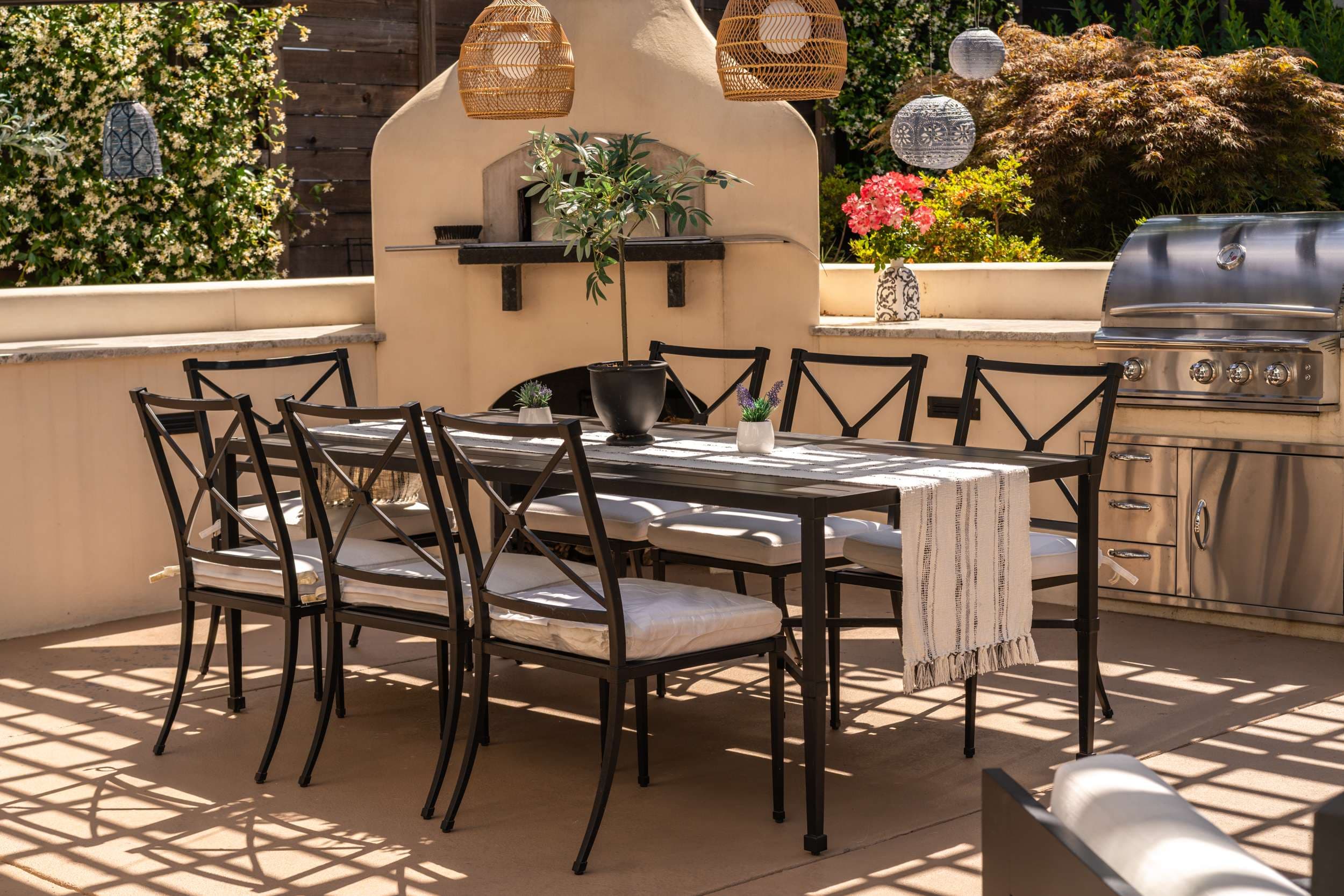
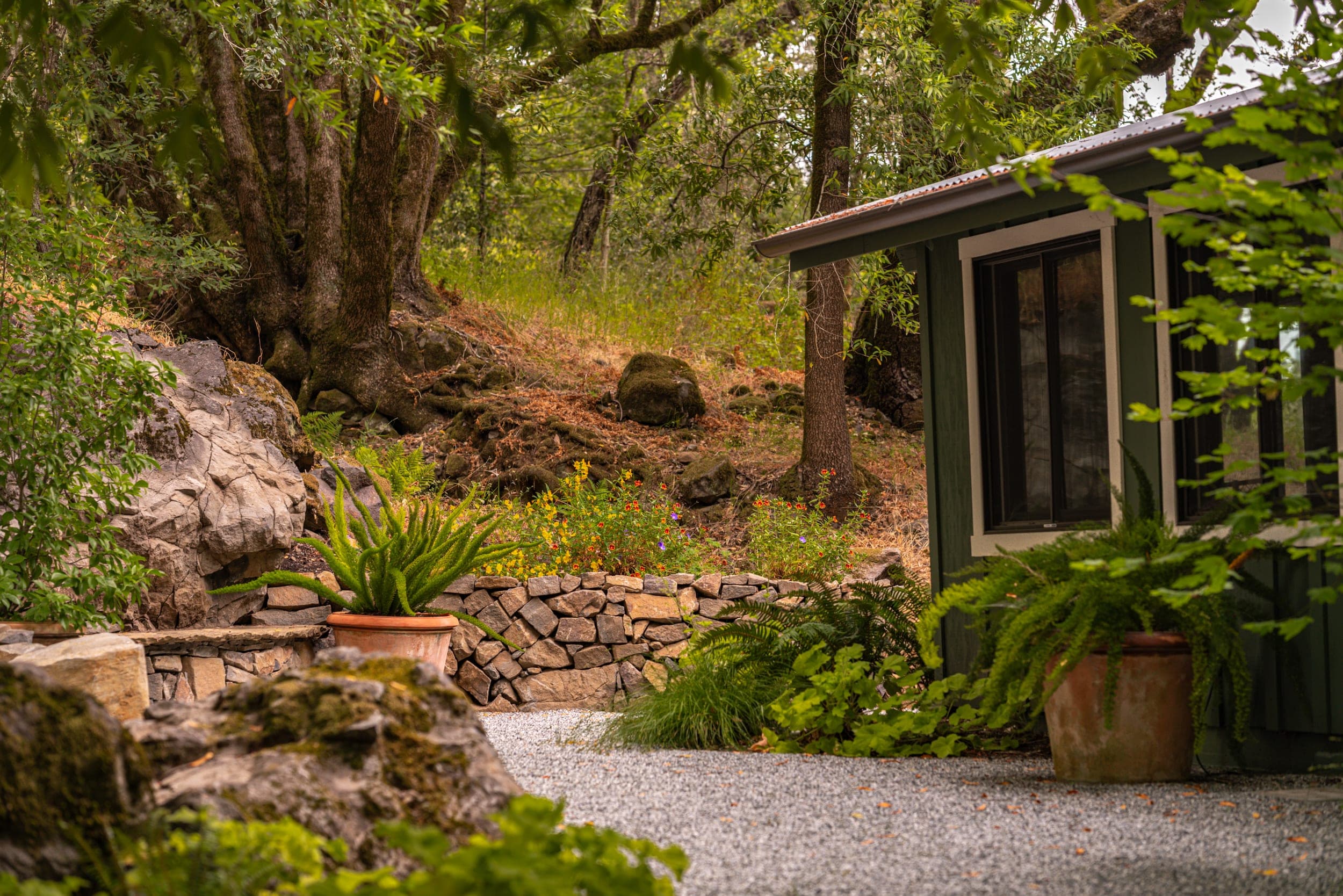
Photography by Emma Kruch
Read the place
The site already has a strong atmosphere.
Design here begins with restraint: protect the character worth keeping, understand drainage and grade, and introduce paths, gathering areas, and planting that feel at home beneath mature canopy. Materials and details should weather gracefully rather than look newly imposed.
Make complex conditions feel natural and resolved.
- Site reading
- Sun, soil, grade, drainage, existing trees, views, privacy, and daily movement shape the first decisions.
- A clear plan
- Planting, hardscape, irrigation, lighting, and outdoor use are resolved together rather than added piecemeal.
- Buildable detail
- Materials, dimensions, plant selections, and construction intent are documented for a smoother path into installation.
Before you begin
Read winter water and summer shade together.
On a Russian River property, begin with observations from the wet season as well as the season when the garden is most used. Note where water collects, which routes become slippery, and how roof runoff reaches the ground. Photographs taken during rain can be more useful than a dry-day description of a recurring problem.
Existing tree canopy can shape both planting and construction access. Record where filtered light changes to deep shade, and protect established roots when planning paths or terraces. A vacation property also needs a care arrangement for the periods when no one is there. Discuss irrigation observation, seasonal debris, and how to report concerns through the custom GFG dashboard.
Consider drainage early ↗A useful first conversation can start with access, drainage, an overgrown garden, or a larger vision for living outdoors.