Landscape design · Sonoma County
One county. Many different landscapes.
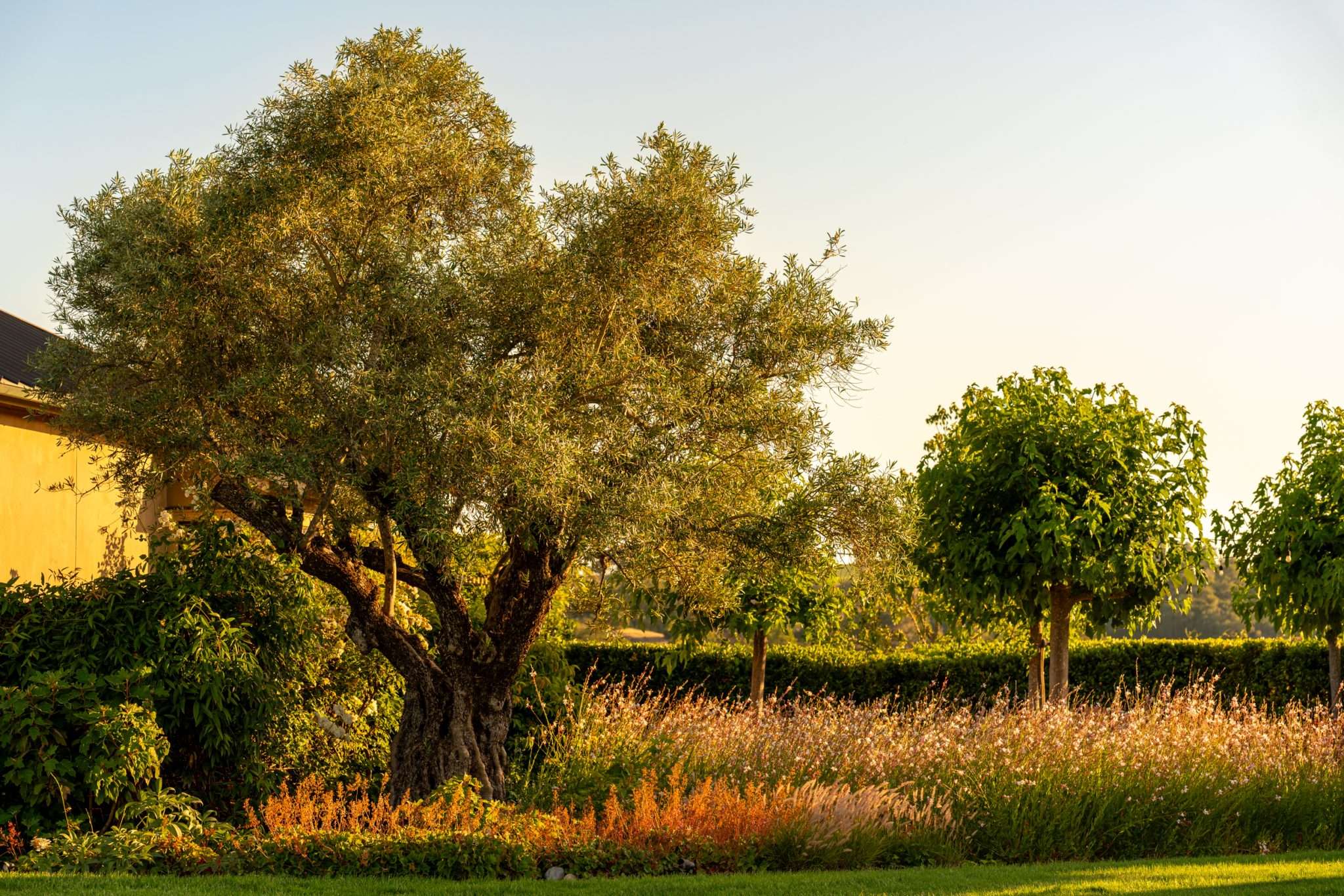
Coast-influenced gardens, warm inland valleys, redwood edges, vineyards, hillsides, and town lots each ask for a different response.
Read the place
Local knowledge matters because the conditions change quickly.
A plant that thrives in Sebastopol may struggle on a hot Healdsburg slope. A Russian River property handles winter water differently than a compact Santa Rosa garden. More than four decades of work here gives our team a practical feel for those distinctions—and the discipline to read the individual site first.
Design the entire property as one connected system.
- Site reading
- Sun, soil, grade, drainage, existing trees, views, privacy, and daily movement shape the first decisions.
- A clear plan
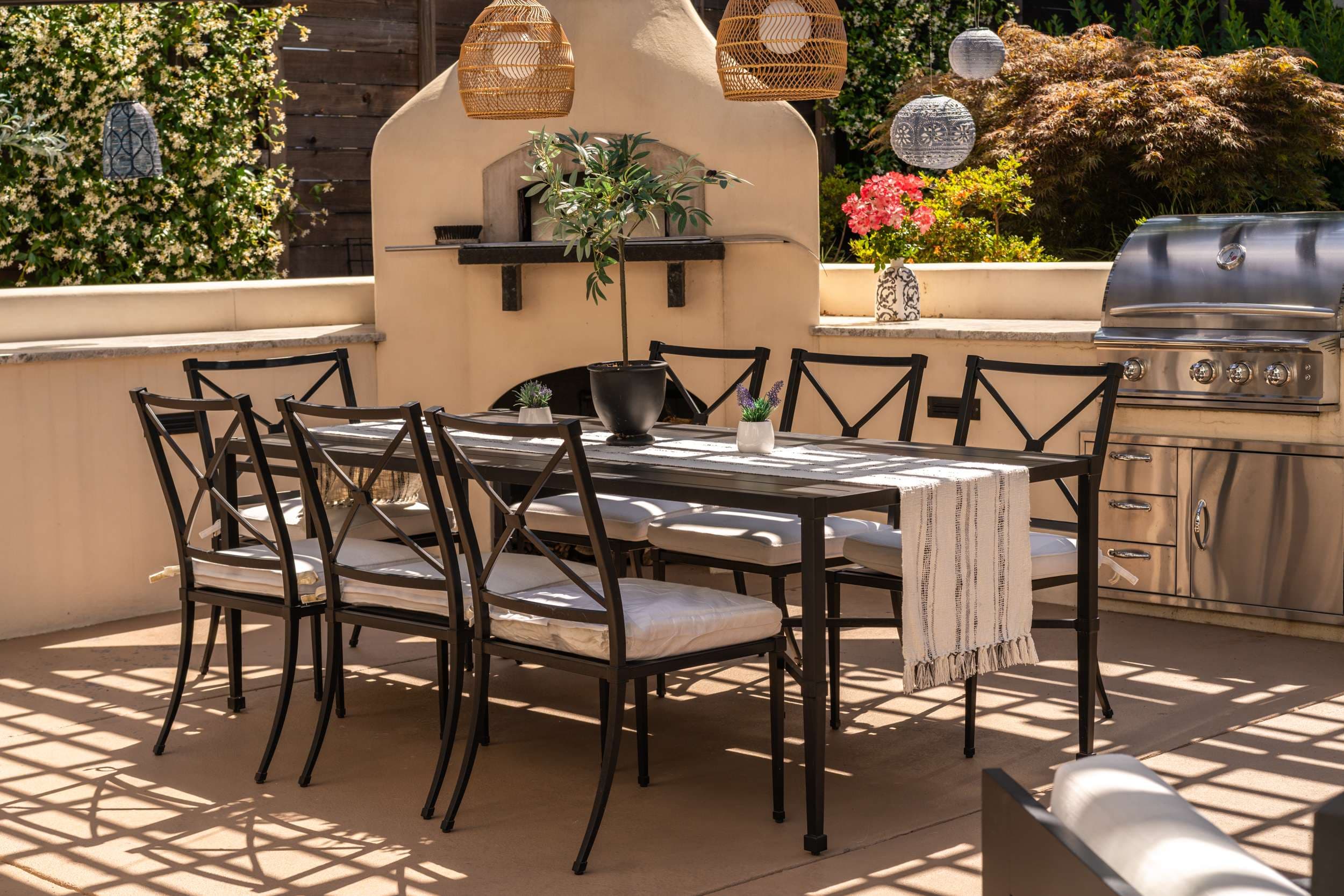
- Planting, hardscape, irrigation, lighting, and outdoor use are resolved together rather than added piecemeal.
- Buildable detail
- Materials, dimensions, plant selections, and construction intent are documented for a smoother path into installation.
Before you begin
A master plan makes phased work more coherent.
Start by mapping the elements that connect the whole property: paths, grades, drainage, utilities, and the rooms you want outdoors. If installation will happen in stages, identify the underground work that should precede new paving or planting. This helps avoid disturbing a completed garden when a later phase begins.
Then separate what needs to be decided now from what can evolve. The position of a terrace may need to be settled early, while some planting can follow after shade and circulation are understood. Bring existing drawings, photographs through different seasons, and an investment range to the first conversation. Those details help turn a broad wish list into a useful design brief.
Compare design scopes ↗The goal is not a generic Sonoma look. It is a landscape that feels inevitable on your particular property.