Paths & steps
Low, controlled light that supports safe movement and preserves the atmosphere.
 Request consultation
Landscape lighting · design & installation
Thoughtful lighting makes movement safer, extends outdoor living, and reveals a completely different composition at night.
The work
Low, controlled light that supports safe movement and preserves the atmosphere.
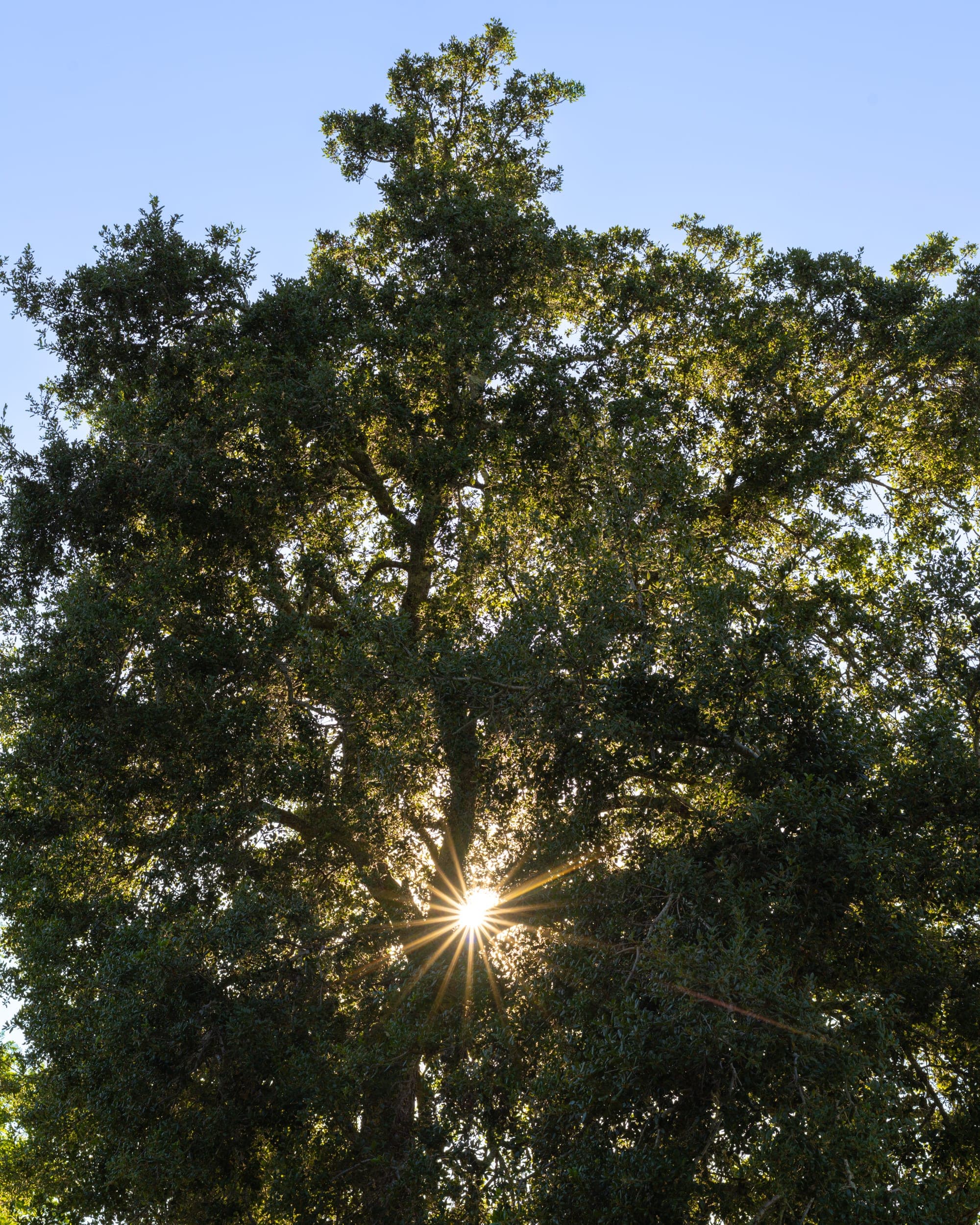
Uplighting and accents that create depth across the house, canopy, and garden.
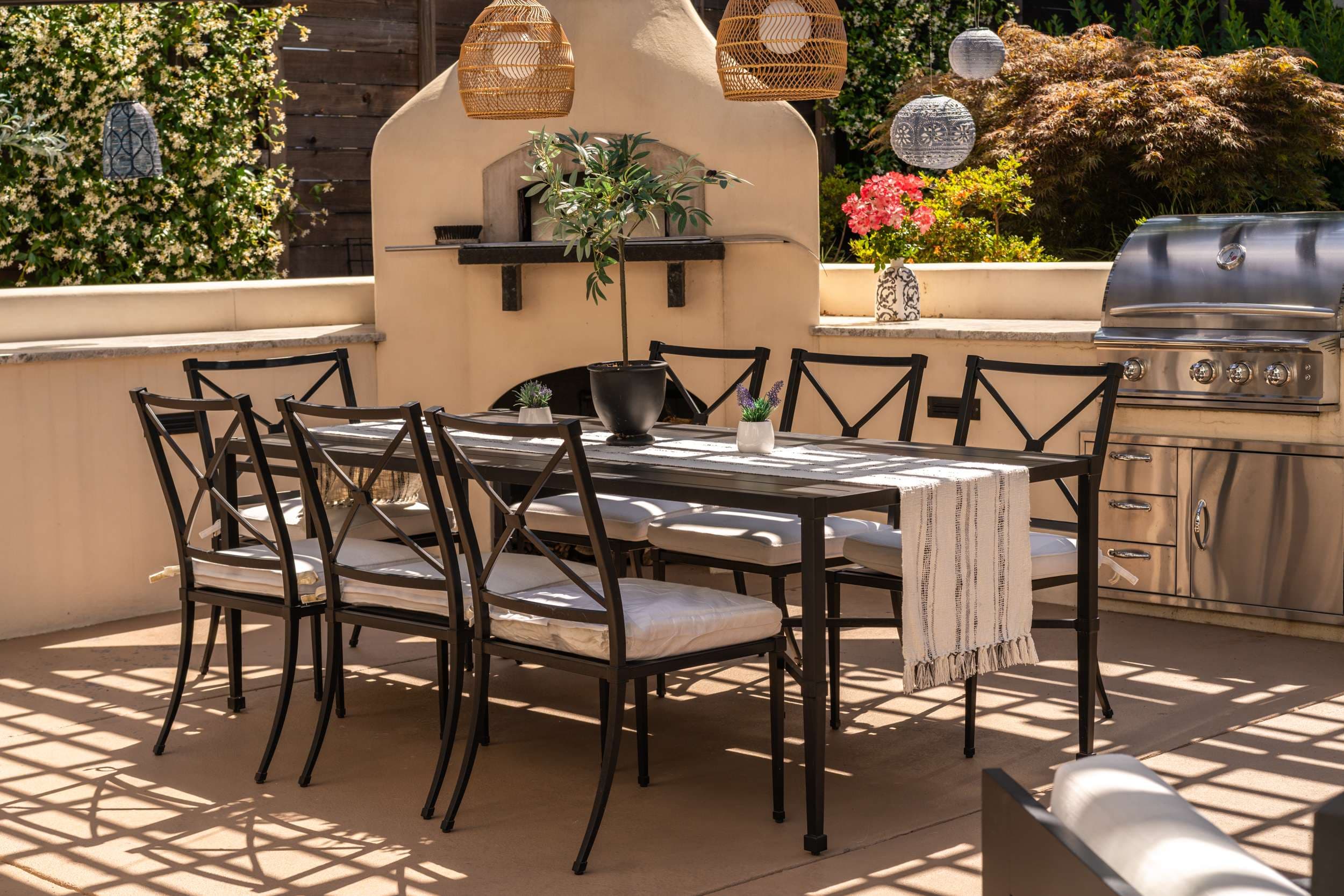
Task and ambient light for kitchens, dining terraces, pools, and gathering areas.
Efficient LED fixtures, zones, timers, dimming, and thoughtful dark-sky placement.
A closer look
Walk the garden after dark and identify the routes that matter: doors, changes in level, paths, and the places used for dining or cooking. Those needs provide a starting point before decorative effects are added. Consider the view from inside the house as well as the experience of moving through the garden.
A useful lighting plan balances brighter tasks with quieter surroundings. Discuss glare, fixture visibility, neighboring windows, and the mature size of planting. A tree accent that works today may need adjustment as the canopy grows. Equipment should remain accessible without dominating the daytime garden.
Clarify which areas need separate control and when they will operate. Timers, zones, and dimming should support the way the space is used. Coordinate cable routes and any specialist electrical work with paving and planting so the installation sequence is clear before surfaces are finished.
The final effect is best assessed in darkness. Discuss how aiming and adjustment are handled, and what ongoing cleaning or plant clearance is needed around fixtures. A restrained design leaves room to refine individual elements without assuming more light is always the answer.
Fixtures should disappear into the landscape. We conceal equipment, bury wire runs, control glare, and compose the effect as part of the overall design—not as an afterthought.
May we use Google and Meta cookies to understand visits and measure our advertising? Details